
The weather is warming up, the days are getting longer, and runners are finally leaving the winter layers behind.
But warmer weather also brings one of the less glamorous parts of running: chafing.
Whether you're heading out for a quick 5 km, building towards a half marathon, or simply enjoying your regular run, hot weather can make chafing much more likely.
The good news? The right running gear and a little preparation can make a huge difference.
Why do runners get chafing?
Chafing happens when skin repeatedly rubs against skin or clothing.
During warmer weather, increased sweating adds moisture to the equation. As you continue running, that combination of heat, sweat and friction can quickly turn a small irritation into a painful problem.
Common areas runners experience chafing include:
- Inner thighs
- Groin
- Underarms
- Waist
- Nipples
- Around clothing seams and waistbands
And the longer you run, the more opportunity there is for friction to build up.
Hot weather makes the problem worse
On a cool winter run, you might be able to wear the same shorts or top without any problems.
Then spring arrives.
Suddenly you're sweating more, your clothing is damp and that tiny bit of rubbing you've never noticed before becomes impossible to ignore.
That's why your summer running gear matters.
Good running clothing should help manage moisture, allow you to move freely and minimise unnecessary rubbing.
Choose running gear designed for movement
When selecting running shorts, tights or tops, consider more than just how they look.
Look for:
Moisture-managing fabrics
Sweat-wicking materials can help move moisture away from your skin and keep you more comfortable.
Comfortable seams
Poorly positioned or rough seams can become irritating over longer distances.
A secure but comfortable fit
Clothing that is too loose can move around and create friction. Clothing that is too tight can also cause problems.
Running-specific designs
Running clothing is designed around repetitive movement. That's important when you're taking thousands of strides during a long run.
Don't forget the inner thighs
For many runners, the inner thighs are one of the biggest trouble spots.
As your legs repeatedly move past each other, friction can increase — particularly when you're hot and sweaty.
This is where the right pair of running shorts can make a noticeable difference.
Look for comfortable fabrics, an appropriate length and a fit that stays in place while you're running.
Because constantly pulling your shorts back into position isn't exactly the ideal running technique!
Anti-chafing products can help
Another useful part of your warm-weather running routine is an anti-chafing balm or lubricant.
Applying it before your run can create a protective layer and reduce friction in areas where you regularly experience problems.
Don't wait until you're halfway through a long run and thinking:
"Maybe I should have done something about this earlier."
If you know you're prone to chafing, prevention is much easier than dealing with irritated skin afterwards.
Longer runs require more preparation
The further you run, the more important your clothing choices become.
A pair of shorts might feel perfectly comfortable during a 30-minute run but become irritating after 90 minutes.
If you're training for a half marathon, marathon or trail event, test your clothing during training rather than discovering problems on race day.
And remember one of the golden rules of running:
Never try completely new gear on race day.
Your race is not the time to discover that your new shorts rub, your socks don't agree with your feet or your shirt becomes incredibly annoying after 10 kilometres.
Test your gear. Find what works. Then stick with it.
Build your warm-weather running kit
As the temperature rises, your running kit may need to change too.
Your warm-weather essentials might include:
- Lightweight running shorts
- Breathable running tops
- Moisture-managing socks
- A comfortable sports bra or supportive running layer
- Anti-chafing protection
- A running cap or visor
- Sunglasses
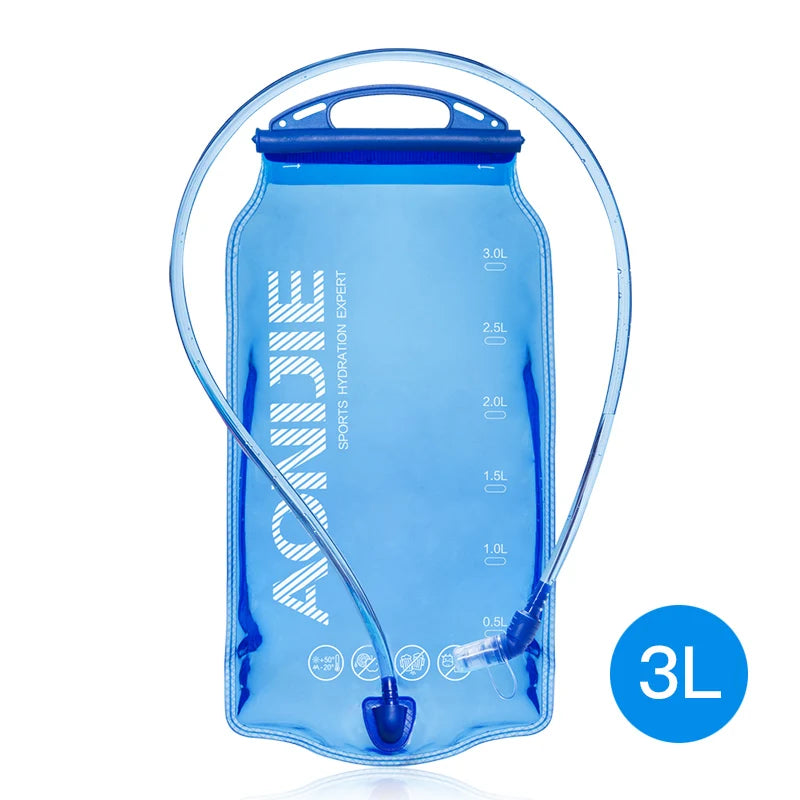
- Hydration for longer runs
- Sun protection
The goal isn't simply to wear less clothing.
It's to wear the right clothing for the conditions.
Don't let chafing ruin your run
Running is supposed to be challenging.
Your legs might hurt. Your lungs might work hard. That final hill might make you question every decision you've ever made.
But your clothing shouldn't be the reason your run becomes miserable.
As warmer weather arrives, take a few minutes before each run to think about your gear.
Is it comfortable? Does it stay in place? Does it manage sweat? Have you had problems with rubbing before?
A little preparation can mean a much more enjoyable run.
Run further. Stay comfortable. Gear up for the conditions.
At RUN GEAR, we're all about helping runners find practical gear that works with them — not against them.
Because when the weather heats up, the last thing you need is your running gear adding another challenge.
Get your gear right. Get outside. Enjoy the run.